

By Saghi Tootoonchinia, MSc., CCLS, RECE, and Sabina Spataro BASc, CCLS
The foundation of child life practice is rooted in psychosocial support, cultural humility, and holistic, family‑centered care—principles that are equally essential to inclusive institutional culture. As outlined in the Association of Child Life Professionals’ competencies, child life specialists are trained not only in direct psychosocial care but also in collaboration, reflection, and implementation within organizational systems. These competencies position child life specialists to extend their impact beyond the bedside and contribute to meaningful culture change at the institutional level.
Our Foundation Relations Team at SickKids Hospital in Toronto is uniquely composed of Certified Child Life Specialists dedicated exclusively to events and donations for patients, families, and staff. Over time, our role has evolved significantly. What began as a small group coordinating gift-in-kind donations and a limited number of annual events has expanded into a dynamic team overseeing a growing portfolio of hospital-wide celebrations for patients, families, and staff, days of significance, and in-kind donation programs.
This team is composed of three donations and event specialists and a program manager. As our responsibilities broadened, we recognized the need for more intentional collaboration, clearer processes, and tools that could support culturally responsive and inclusive decision-making across the institution.
Expanding the Role of Child Life in Institutional Culture
Inclusion is not the responsibility of a single department; it requires shared ownership, intentional collaboration, and trust. Our role as donations and events specialists is to connect across departments, while aligning hospital values with patient- and staff-facing experiences. Our work reinforces the idea that inclusive care is not an add-on, but a core component of quality healthcare delivery. By using shared processes and working closely with teams across the hospital, we aim to ensure inclusive practices are built into all programs, events, and patient and family initiatives.
Child life specialists in nontraditional roles can serve as catalysts for inclusion by integrating equitable practices into hospital events, planning tools, and decision-making frameworks. This is especially relevant as healthcare institutions respond to shifting demographics, equity audits, and accreditation standards that increasingly prioritize diversity, equity, and inclusion. Through practical tools and cross‑departmental coordination, these roles help translate diversity, equity and inclusion commitments into measurable practices that inform program design, stakeholder engagement, and ongoing institutional improvement.
Building a Framework for Inclusive Planning
As our team expanded the number and variety of events we coordinated each year, it became clear that we needed structured tools to support consistency, cultural sensitivity, and cross‑departmental alignment. Recognizing how oppression is embedded in society, and how its historical trauma continues to shape the experiences of children, families, communities, and the systems around them, reinforced the importance of this work.
Meaningful progress also requires self‑reflection, awareness of one’s social position, and a willingness to engage in difficult but necessary conversations (Koller, 2020). With these principles in mind, we developed two core initiatives aimed at embedding DEI into institutional culture: a Days of Significance calendar and a team of key stakeholders for culturally sensitive decisions.
Together, these initiatives created a shared framework that empowered staff to plan with intention and accountability, strengthening our ability to deliver programming that reflects and respects the diverse communities we serve. Research shows that inclusive environments “ease the expression of dissenting opinions, [are] open to new problem-solving approaches, encourage innovative thinking, and more effectively avoid the dangers of groupthink,” ultimately fostering creativity and inclusive practice (Khuntia et al., 2022).
The first initiative, a Days of Significance calendar, identifies cultural, religious, and historical milestones relevant to patients, families, and staff. Used across departments, the calendar supports inclusive communication, programming, and resource planning. We partnered with public affairs and the DEI office to ensure that the calendar was accurate, relevant, and integrated into hospital-wide operations. Over time, the calendar has helped leaders recognize and celebrate days of significance within their own teams, strengthening a sense of belonging within their departments. Leaders in pediatric healthcare have noted that incorporating DEI initiatives like this into practice can improve health equity, optimize health outcomes for diverse patient populations, and create a more inclusive workplace for staff (Orr et al., 2024).
The second initiative is the formation of a cross-functional “core team” that aligns internal stakeholders on culturally sensitive decisions. This group includes representatives from child life, the DEI office, human resources, public affairs, and spiritual care. We meet monthly to address topics such as inclusive holiday celebrations and representation in public spaces. Our collaborative approach ensures that decisions are inclusive, consistent, and thoughtfully planned. The team plays a key role in determining which events are appropriate to host, such as thoughtfully reconsidering whether to move forward with a Canada Day celebration in light of the historical and ongoing trauma experienced by Indigenous communities.
In addition to developing this shared framework, the core team also collaborated to identify the major hospital-wide events— which we refer to as our “Big Es”—that would be recognized and supported across the institution. These events, which include occasions such as Eid, Easter, Passover, Pride, National Day for Truth and Reconciliation, Diwali, Hanukkah, Christmas, and Lunar New Year, provide consistent touch points for culturally responsive programming and donor engagement.
By establishing this collective foundation, the team ensured that large‑scale celebrations are thoughtfully planned, equitably resourced, and aligned with the hospital’s values, while still allowing individual units the flexibility to honour additional days that hold meaning for their patients, families, and staff.
Extending Impact Through Partnerships and Donor Engagement
Beyond event planning, we also support the hospital’s broader needs through in-kind donations, community engagement, and strong partnerships with our hospital foundation and corporate donors. Working closely with the foundation allows us to connect with generous corporate partners who contribute through event sponsorships, gift‑in‑kind donations, and hands‑on donor engagement opportunities. These collaborations bring meaningful resources, such as toys, games, electronics, toiletries, clothing, and gift cards, that enhance the experiences of patients, families, and staff.
Through these partnerships, we also offer donor engagement opportunities such as packing patient packs, craft kits, comfort kits, and volunteer snack packs. Some corporate donors even join us on-site for activities like assembling Christmas day gift bags, which child life specialists later distribute to patients across the units. Our work exemplifies how child life specialists can extend their impact by using their developmental, psychosocial, and advocacy skills to support institutional goals while fostering a vibrant network of community and donor support.
Broadening Influence Across Hospital Systems
We’d like to emphasize how stepping outside traditional roles can enhance child life specialists’ visibility and influence across hospital systems. We encourage you to reflect on how your unique skills, such as developmental expertise, cultural humility, and psychosocial insight, can be used to build bridges between departments and reinforce the values of family-centred and culturally responsive care throughout institutions. By intentionally broadening your scope of practice, you help shape environments where child- and family-centred principles and boosting staff morale are not just recognized but actively integrated into everyday decision-making.
As the landscape of pediatric care continues to evolve, so does the role of child life specialists. By embracing opportunities that reach beyond the bedside, we not only strengthen the systems that surround patients and families but also demonstrate the breadth of our professional value. Whether through community partnerships, donor engagement, or cross‑departmental collaboration, our contributions help shape more responsive, equitable, and patient‑centred healthcare environments. As we look ahead, the challenge and the opportunity, is to continue expanding our influence in ways that honour the core principles of child life while advancing the collective mission of our institutions.
References
Khuntia, J., Ning, X., Cascio, W., & Stacey, R. (2022). Valuing diversity and inclusion in health care to equip the workforce: Survey study and pathway analysis. JMIR Formative Research, 6(5). https://doi.org/10.2196/34808
Koller, D. (2020). Disrupting the status quo: A new theoretical vision for the child life profession. Journal of Child Life: Psychosocial Theory and Practice, 1(2).
Orr, C. J., Leslie, L. K., Schaechter, J., Williams, X. J., Montez, K. G., Deen, J. F., Evans, Y. N., Russell, C. J., Webb, J., Gaona, A. R., & Mendoza, F. S. (2024). Diversity, equity, and inclusion, child health, and the pediatric subspecialty workforce. Pediatrics, 153(2). https://doi.org/10.1542/peds.2023-063678S
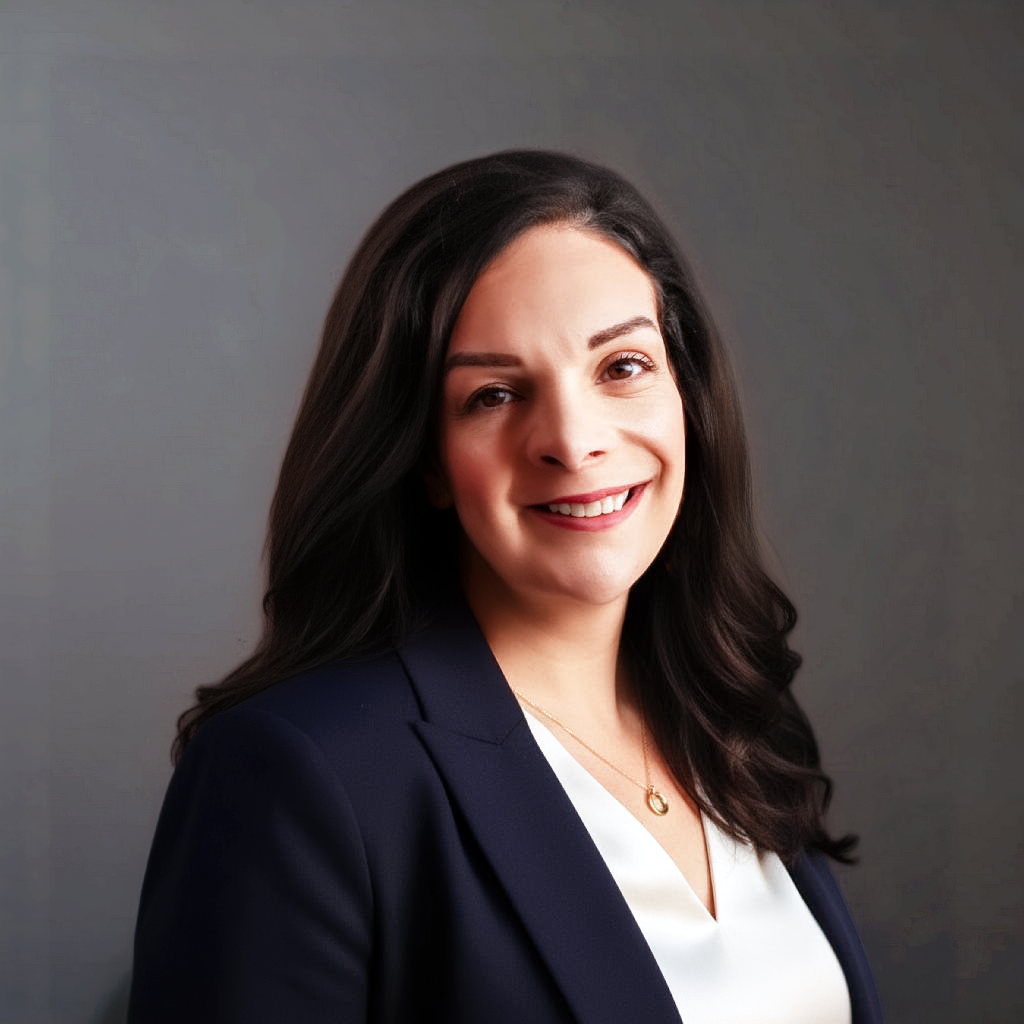
Saghi Tootoonchinia, MSc., CCLS, RECE, is a Certified Child Life Specialist and events and donations specialist on the Foundation Relations team at The Hospital for Sick Children (SickKids). A graduate of BU Wheelock College’s Master’s program in child life and family-centered care, she brings more than 14 years of experience supporting children and families within the hospital setting across a wide range of programs and services.
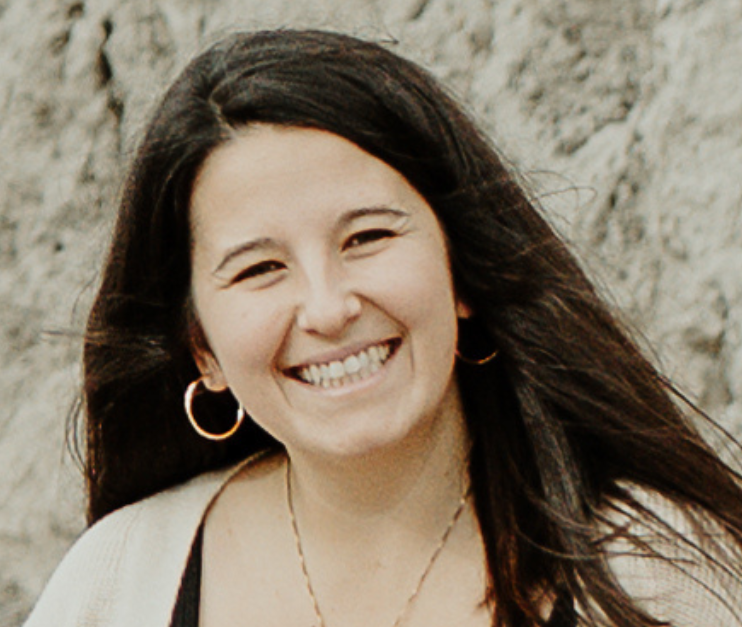
Sabina Spataro BASc, CCLS, is a donations and events Specialist on the Foundation Relations team at The Hospital for Sick Children (SickKids). She brings more than a decade of experience supporting children and families in pediatric healthcare, with a background in child life, philanthropy, and hospital‑wide event coordination.Sabina holds a Bachelor of Applied Science (Honors) from the University of Guelph in child, youth, and family and is a Certified Child Life Specialist.