


By Kalie Daigrepont, MS, CCLS; Courtney Dill-Byrd, MS, CCLS; McKenziee Belton, CCLS; and Kaylyn Zola, MS, CCLS
This article examines CHOP’s relief child life specialist model as a strategy to support coverage and staff well-being, offering practical insights for programs considering similar approaches.
At The Children’s Hospital of Philadelphia (CHOP), the implementation of a dedicated relief child life specialist team has emerged as a powerful strategy to support clinical coverage, reduce burnout, and promote both equitable staffing and professional development.
Created in response to increasing demands on staff and the need for flexible psychosocial care delivery, CHOP’s relief model is not a temporary solution, but a thoughtfully structured, sustainable approach that enhances the delivery of child life services across the hospital (Turner & Olumide, 2018).
Initially designed to provide seamless coverage during paid time off, medical leaves, and staffing transitions, the relief specialist role has grown into a dynamic position that touches nearly every corner of the hospital. These child life specialists are cross-trained over multiple units, ranging from the emergency department to intensive care, clinics, inpatient units, and across several clinical campuses, allowing them to step in with confidence and continuity during times of increased need. This flexibility ensures that patients and families continue to receive emotionally safe, developmentally appropriate support regardless of the department’s daily staffing variables (ACLP, 2020).
The Evolution of the Relief Model at CHOP
Over the past 15 years, the relief child life team model within the Child Life Department at CHOP has evolved from an uncertain experiment into a strategic, department-wide support system grounded in sustainability, flexibility, and growth.
Relief, in its earliest form, was born out of necessity. At a time when CHOP’s team structures were less robust, there was little infrastructure to support vacancies or extended leaves such as Family and Medical Leave Act (FMLA) leave. The first iteration of relief, described as the “on-call specialist” model, placed one or two staff members in the child life office waiting for a pager to go off. Without a clear referral stream or structured integration into units, these specialists were left to seek out their own work.
Stephanie Brennan, MS, CCLS, director of child life, reflected that the department did not yet understand how to use the role effectively. Eventually, the full-time employee was reallocated, and the model was placed on hold. The core question remained: How do we meaningfully support the department—and our patients and families—during vacancies and leaves?
The concept was revisited in 2016 with a more strategic lens. Leadership envisioned the relief team not simply as a stopgap but as a flexible workforce solution embedded within the department. Placements were structured as three-month assignments, allowing specialists to develop
ownership, investment, and a genuine sense of belonging within each unit. Unlike the earlier on-call version, this model emphasized integration, relationship-building, and accountability.
The most significant catalyst for change came during the COVID-19 pandemic. The healthcare landscape shifted dramatically, flexibility became essential, and the relief team became a mechanism to respond quickly to evolving demands while preserving long-term staffing integrity.
Today, with the department fully staffed, the relief team serves as both a bridge and a buffer, supporting vacancies, onboarding new graduates, accommodating life transitions, and preserving staff well-being.
Addressing Burnout and Workload Pressures
Increased workloads are consistent across many institutions, as evidenced by a study that found there is one full-time Certified Child Life Specialist for every 18.28 pediatric beds on average (Greene et al., 2015). This staffing-to-patient ratio can negatively impact both patient care and professional well-being due to large caseloads, insufficient staffing, and high acuity.
To better understand factors impacting professional well-being in the child life profession, research has examined role stress, workload, and social support (Munn et al., 1996). While many hospital systems implement per diem or float roles, those positions often lack unit consistency and continuity of care.
In contrast, the relief child life specialist at CHOP was created as a full-time role designed to provide consistent coverage during longer-term vacancies, parental leave, or leave of absence.
As Courtney Dill-Byrd, MS, CCLS, clinical training supervisor of the relief team, says, “Our relief specialists are full-time clinicians. They are not supplemental, occasional, or peripheral. They carry full professional accountability, clinical expectations, and developmental goals.”
She says that one of the ongoing challenges has been helping teams understand that distinction. “At times, they may be viewed as interchangeable or purely task-based rather than as embedded clinical partners. Part of my work has been steady advocacy through clarifying expectations, reinforcing professional identity, and helping teams see relief specialists as integral members of our department’s clinical ecosystem rather than temporary placeholders.”
Tangible Outcomes and Measurable Impact
The implementation and maintenance of the relief model has been data-driven and cost-efficient, by utilizing full-time employees whose salaries have already been budgeted for and minimizing the need for additional temporary support. Internal departmental data since formalizing the current structure in 2023 demonstrates a consistent reduction in uncovered child life shifts during leaves of absence and vacancies by more than 30% year over year. Units report fewer missed consults and improved continuity of care, and engagement surveys reflect increased perceived equity in workload distribution.
Dill-Byrd reflects on the broader transformation she has witnessed: “Early on, my focus was understandably operational: coverage, continuity, and minimizing disruption as much as possible. What has been the most steady and meaningful piece, however, has been the slow and steady moments of growth. The relief child life specialists walk onto unfamiliar units with confidence they cultivated with both wonder and grace.”
Retention data further supports the model’s sustainability, with relief specialists remaining in their roles at rates comparable to, and sometimes exceeding, their peers.
Professional Development in Practice
Beyond coverage, the relief role offers a unique professional development trajectory. Specialists gain exposure to diverse diagnoses, interdisciplinary teams, and clinical environments, often at pivotal points in their careers.
Kaylyn Zola, MS, CCLS, advanced child life specialist at CHOP, entered the field with a clear clinical interest.
“Prior to joining the relief team at CHOP, I had extensive volunteer experience with oncology patients, served in an intensive care unit, and served as a grief group facilitator. In addition to my volunteer experience, my practicum and internship experiences primarily focused on high acuity within the realm of oncology, trauma, and intensive care units. What drew me most to these areas was the unpredictability and the limitless things to learn clinically.”
When she arrived at CHOP, there was no opening in the ICU. The relief role became an unexpected bridge.
“Though I thought I was confident in the area I was hoping to work in when I first entered the field of child life, by being a part of the relief team, I was able to experience and practice in different areas of the hospital, polish my skills, learn the policies and procedures within the institution as a whole, and confidently enter permanent placement knowing I gained experience in many areas within the child life scope,” she says.
She rotated through short-stay general pediatrics, adolescent overflow, complex care, radiology, PACU, the emergency department, and eventually the PICU.
“I was challenged to build rapport in some of these outpatient settings, was introduced to different procedures that I had not been exposed to previously, focused on family and caregiver support with infants diagnosed with multiple chronic illnesses, and challenged to break out of my shell to build working relationships with other disciplines,” she says.
Ultimately, the experience clarified her long-term direction.
“That brief assignment in the PICU as a relief child life specialist reassured me that the pediatric intensive care unit was the area I was meant to practice and continue to professionally grow in,” she says.
For Kalie Daigrepont, MS, CCLS, advanced child life specialist at CHOP, the role addressed a different professional tension.
“Entering the child life profession as a new graduate, I brought enthusiasm and commitment alongside a notable sense of ‘imposter syndrome.’ Although academically prepared through graduate education, practicum, internship, and extensive volunteer experience, I initially perceived a gap between theoretical knowledge and applied clinical confidence.”
What first appeared to be transitional became foundational.
“It quickly emerged as a structured environment for accelerated skill development, broad clinical exposure, and reflective growth,” she says.
Over four and a half years, she has provided coverage across more than 30 inpatient units and outpatient clinics.
“This breadth of exposure facilitated measurable advancement in clinical practice, adaptability, and systems-level understanding. The role also created opportunities for leadership development, including supervising practicum students, mentoring new staff members, and serving on departmental committees focused on programmatic growth and equity.”
Rather than leaving the role for a permanent placement, she stayed—intentionally.
“What began as an introductory position for me evolved into a sustained professional pathway characterized by depth, versatility, and contribution to departmental infrastructure.”
Adaptability, Advocacy, and Departmental Equity
The relief role requires not only clinical competence but interpersonal agility and systems awareness.
McKenziee Belton, CCLS, advanced child life specialist at CHOP, describes entering the field through an unconventional path.
“As a relief child life specialist who has had an untraditional path to becoming a specialist, this role has given me a profound amount of experience across diverse patient populations and specialties.”
She highlights the relational learning embedded in constant transition.
“If you are a new specialist, as I was, you have the opportunity to learn the individual styles of each specialist you work with, while simultaneously becoming an expert in the area you cover. Additionally, it allots you the confidence to be adaptable, bringing with you the additional skill sets you learned from other units.”
The role also sharpens systems awareness.
“You also become attuned to the resources available to each unit, areas where a team has opportunities for growth, and areas where the team is being innovative with the resources they have,” she says.
Relief specialists function as knowledge bridges. “With each unit you travel to, you are able to provide awareness to your colleagues about another team’s approaches to coping and pain management, thus further advancing the field of child life as a whole.”
Belton also acknowledges the challenges.
“Additional challenges can be folding into a team dynamic that is already established and is processing the transition of a colleague’s absence. Oftentimes, relief specialists adapt quickly and become integral members of the team they are supporting, but sometimes it may take time for a team to acclimate to the adjustment.”
From a supervisory lens, Dill-Byrd adds that this adaptability is not incidental; it is cultivated.
“Relief work does not look identical across campuses, inpatient versus outpatient settings, or across varying unit cultures. The model must bend without breaking while adapting and still protecting role clarity and sustainability.”
And at its core, she says, “They hold steady in the in-between. They bring calm into uncertainty, creativity into complex systems, and continuity into change.”
A Model for Sustainable Excellence
The challenges encountered in child life extend beyond individual institutions and strain teams globally (Boles et al., 2020). CHOP’s relief model demonstrates that flexible staffing structures can promote equitable workload distribution, strengthen retention, and protect the emotional sustainability of the workforce.
By honoring the dual priorities of clinical excellence and staff sustainability, the department demonstrates how investing in flexible staffing can lead to measurable improvements in care delivery, staff satisfaction, and long-term workforce development. For instance, this role allows for new staffing positions to be piloted without additional budgeting constraints and minimizing workflow interruption, while encouraging innovation.
Our objective is to encourage departments to consider integrating relief positions within their existing teams and to inspire both new and seasoned specialists to explore this dynamic role. While we acknowledge economic constraints within healthcare institutions across the country, this position may allow for creative staffing solutions.
Like the field of child life, it will ever evolve and grow.
Resources
Association of Child Life Professionals. (2021). Emotional safety in pediatric care: A clinical guideline. https://www.childlife.org/docs/default-source/default-document-library/emotional-safety-white-paper.pdf
Boles, J., Fraser, C., Bennett, K., Jones, M., Dunbar, J., Woodburn, A., Gill, M. A., Duplechain, A., Munn, E. K., & Hoskins, K. (2020). The Value of Certified Child Life Specialists: Direct and Downstream Optimization of Pediatric Patient and Family Outcomes. Association of Child Life Professionals. https://www.childlife.org/docs/default-source/the-child-life-profession/value-of-cclss-full-report.pdf
Ginter, A., Dumas, K., Ramirez Gomez, D., Frank, S., Zablocki, Z., & Cahlander, B. (2024). Workplace stress and burnout in child life: Perspectives from newer professionals. The Journal of Child Life: Psychosocial Theory and Practice, 5(1). https://doi.org/10.55591/001c.115805
Greene, C., Kim, M., Kropp, J., & Edmonson, H. (2015). Not enough to go around: Statistical analysis of staffing of child life programs (Unpublished thesis). Georgia College and State University.
Munn, E. K., Berber, C. E., & Fritz, J. J. (1996). Factors Affecting the Professional Well-Being of Child Life Specialists. Children’s Health Care, 25(2), 71–91. https://doi.org/10.1207/s15326888chc2502_1
Wheeler, D. S., Dewan, M., Maxwell, A., Riley, C. L., & Stalets, E. L. (2018). Staffing and workforce issues in the pediatric intensive care unit. Translational Pediatrics, 7(4), 275–283. https://doi.org/10.21037/tp.2018.09.05

McKenziee Belton, CCLS, is an advanced Certified Child Life Specialist at the Children’s Hospital of Philadelphia who comes from an educational background in media studies and production. In her spare time, she is currently working on a children's book and has a podcast that centers around interviewing talent in various professional fields.

Kalie Daigrepont, MS, CCLS, is an advanced Certified Child Life Specialist who has been functioning in the relief role at The Children’s Hospital of Philadelphia for four and a half years. Kalie has covered over 15 different units, both inpatient and outpatient, and serves on several committees whose purpose is to train new and aspiring child life specialists.
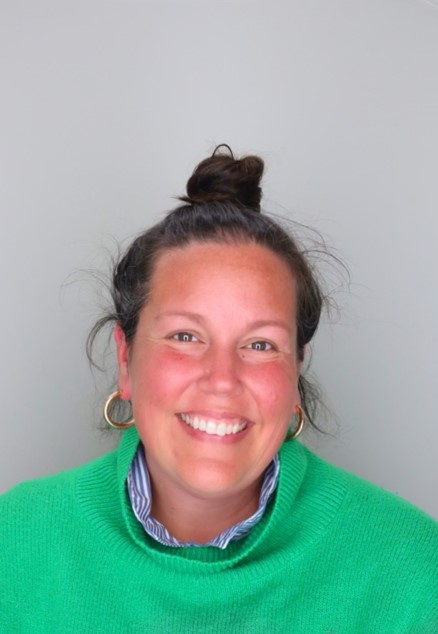
Courtney Dill, MS, CCLS, is a child life specialist at Children’s Hospital of Philadelphia. She is currently working in the capacity of clinical training supervisor. Courtney has the honor of guiding student programming and supporting the clinical relief child life team in the Department of Child Life, Education and Creative Arts. Courtney's interests include promoting well-being and alternative healthcare.
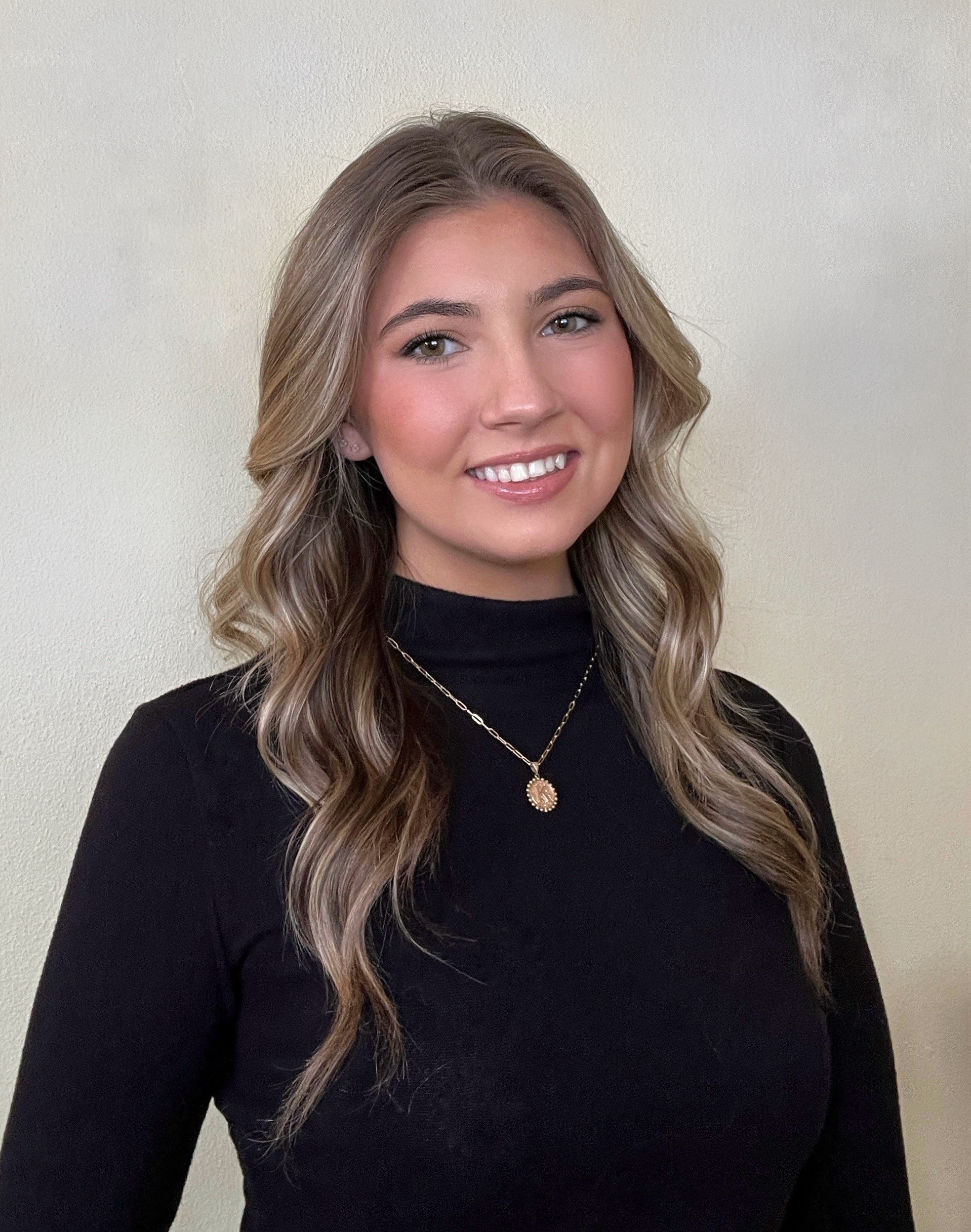
Kaylyn Zola, MS, CCLS, is from Pittsburgh, Pennsylvania. She earned her bachelor’s degree in human development and family studies from The Pennsylvania State University and her master’s degree in applied developmental psychology with a concentration in child life from the University of Pittsburgh. Her training includes a practicum through Connect-123 in Cape Town, South Africa, as well as a community-based practicum at Cancer Bridges in Pittsburgh. She completed her clinical Child Life internship at INOVA L.J. Murphy Children’s Hospital in Fairfax, Virginia. Kaylyn currently works in the Pediatric Intensive Care Unit at the Children’s Hospital of Philadelphia, where she previously served on the relief team.